
Rev Interactive delivers turnkey custom LED installations that transform retail chain stores into cohesive, data-driven brand environments. Lighting LED video wall, color and motion are specified to reinforce brand standards, guide traffic and highlight priority merchandise while minimizing energy and maintenance. Installations scale through modular fixtures, centralized controls and preconfigured kits for consistent multi-site expression. Smart integrations enable contextual highlights and analytics for assortment and engagement insights. Continue for implementation details, rollout strategies and measurable ROI evidence.
Why Custom LED Solutions Elevate Retail Brand Presence
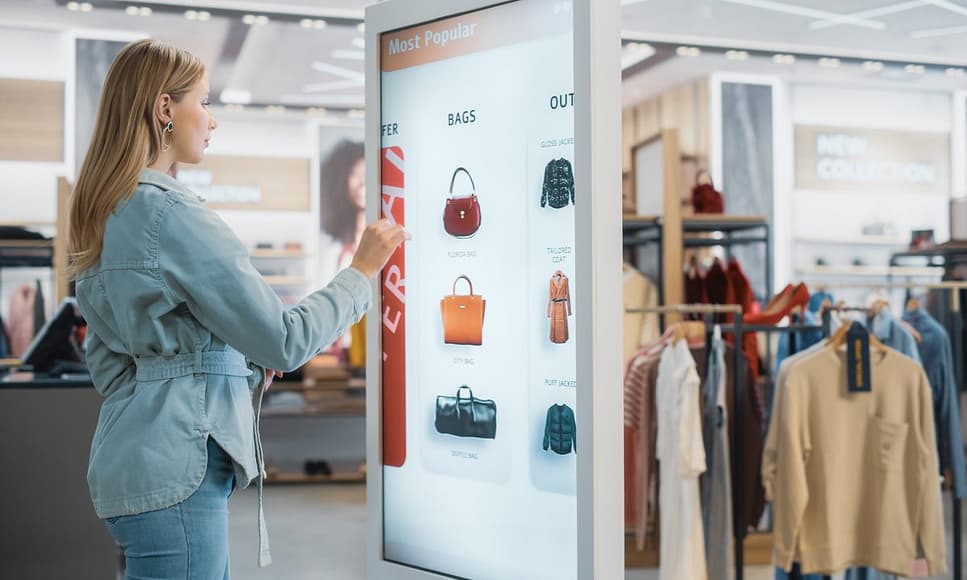
By integrating custom LED solutions, retailers transform storefronts and interiors into intentional brand touchpoints that communicate identity through light, color, and motion. The approach reinforces brand recognition by delivering consistent visual cues across customer journeys, from window displays to point-of-sale. Precision-engineered fixtures optimize sightlines and color temperature to align with brand standards while minimizing energy use. Motion choreography and dynamic palettes support sensory branding strategies that deepen emotional resonance without overwhelming space. Installations are specified to respect operational needs, merchandising flexibility, and local codes, enabling stores to maintain autonomy over presentation. Performance metrics — visibility, dwell time, conversion lift — guide iterative refinement. The result is a controlled, liberating retail environment where light articulates positioning and invites exploration.
Scalable Installations for Multi-Location Rollouts
Building on how custom LED schemes define single-store identity, scaling those systems across multiple locations requires repeatable specifications, centralized control strategies, and field-ready installation protocols. Rev Interactive frames rollouts around modular fixtures and Uniform controls to guarantee consistent brand expression while enabling local flexibility. Documentation, preconfigured kits, and training reduce variation in execution. Procurement consolidates parts to lower cost and simplify maintenance. Remote diagnostics and versioned firmware support speed updates without disrupting operations.
- Standardized modular fixtures for quick interchangeability and simplified stocking.
- Centralized commissioning templates and Uniform controls for consistent behavior and easy oversight.
- Installer playbooks, parts kits, and QA checklists to preserve quality across diverse sites.
This approach empowers retailers to expand confidently while protecting design intent.
Integrating Smart Lighting With In-Store Merchandising
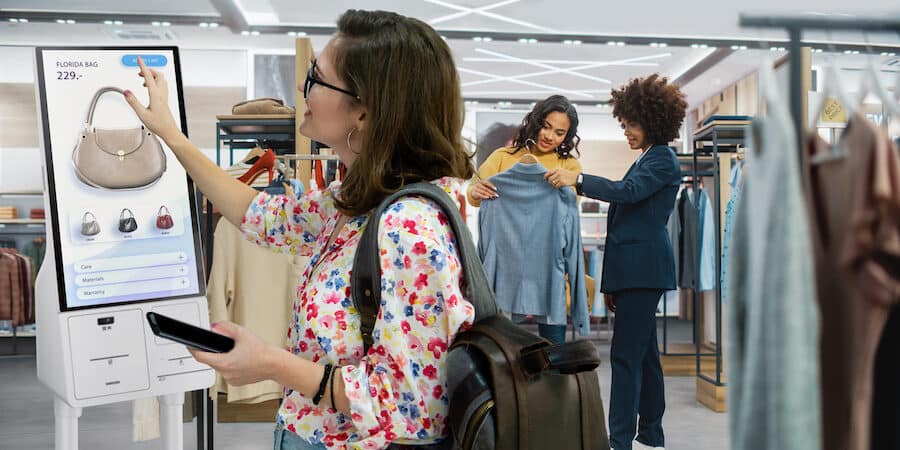
When paired with merchandising strategy, smart lighting becomes a precise tool for guiding attention, shaping perceived value, and reinforcing brand cues across product zones. The system coordinates color temperature, intensity, and timing to elevate priority SKUs, create hierarchy, and support promotional narratives without intrusive signage. Integrations with interactive displays enable real-time responses to customer engagement, triggering contextual highlights and personalized lighting scenes that respect shopper autonomy. Dynamic accents define micro-environments—luxury, value, seasonal—using minimal energy and maximal visual clarity. Centralized control and analytics provide actionable insights for assortment decisions, promotional effectiveness, and localized customization across stores. Implementation emphasizes modularity and unobtrusive hardware so lighting enhances merchandising intent while preserving flexible, liberating store experiences.
Design Considerations for Traffic Flow and Visual Impact
Against a backdrop of retail choreography, lighting design must anticipate and sculpt customer circulation to maximize visibility, safety, and dwell time. Rev Interactive assesses entrance hierarchy to establish immediate visual cues, directing movement from threshold to core merchandising with layered illumination. Fixtures emphasize primary paths while reducing glare and visual clutter; aisle sightlines are preserved through controlled beam angles and consistent luminance that guide shoppers without imposing. The approach balances brand expression with unobtrusive wayfinding, enabling exploratory freedom while protecting product emphasis.
- Prioritize entrance hierarchy: focal warmth at entry, graduated intensity inward.
- Optimize aisle sightlines: linear fixtures, shadow control, unobstructed views.
- Integrate contrast strategy: accents for displays, ambient for movement.
Design decisions remain measurable, repeatable, and aligned with brand identity.
Measuring ROI: Sales Lift, Engagement, and Operational Benefits
Having established lighting strategies that shape circulation and highlight merchandise, Rev Interactive quantifies returns by tracking sales lift, customer engagement metrics, and operational efficiencies tied to LED installations. The firm measures sales uplift through POS correlations, A/B testing across stores, and time-series analysis to isolate lighting effects from promotions. Engagement is monitored via sensors and video analytics that record customer dwell time, pathing, and interaction with illuminated displays. Operational benefits include reduced energy consumption, lower maintenance intervals, and streamlined fixture management, all converted to cost savings. Reporting blends KPI dashboards and concise executive summaries so retailers can assess payback periods and scalability. The approach empowers clients to make data-driven decisions while preserving creative freedom in store design.
Frequently Asked Questions
What Are Typical Lead Times From Consultation to Final Installation?
Typical lead times run six to twelve weeks from consultation to final installation, with an average timeline of eight weeks; larger projects use a phased rollout over several months to preserve operational freedom while ensuring brand-focused, detail-oriented execution.
Do LED Installations Require Special Store Permits or Approvals?
Yes; installations often require local permits and landlord approvals. They must comply with building codes and may need utility sign-offs. Utility incentives can influence design decisions; project managers handle approvals to preserve client flexibility and brand consistency.
How Are Warranties and Post-Installation Support Structured?
Warranties typically include extended warranties covering parts and labor; post-installation support offers scheduled onsite maintenance, remote diagnostics, and optional service agreements. The brand emphasizes reliable coverage, quick response, and flexible terms for operational freedom.
Can Existing Fixtures Be Retrofitted Instead of Full Replacement?
Yes, existing fixtures can often be retrofitted. The provider assesses compatibility, installs socket adapters or retrofit kits, preserves layout integrity, and offers branded assurance, enabling flexible upgrades while minimizing disruption and retaining design freedom.
What Cybersecurity Measures Protect Smart Lighting Controls?
They employ network segmentation and secure firmware updates, isolating lighting zones, enforcing encrypted authentication, role-based access, intrusion detection, regular vulnerability scans, and tamper-resistant hardware — enabling operators confident, autonomous control without compromising system integrity.
Conclusion
Rev Interactive’s custom LED installations consistently enhance retail brand presence by combining tailored design, scalable deployment, and smart lighting integration. Thoughtfully planned fixtures support merchandising and optimize traffic flow while delivering measurable benefits—improved engagement, sales lift, and operational efficiencies. For multi-location rollouts, standardized modules and performance metrics guarantee consistency and ROI visibility. Ultimately, these solutions reinforce brand identity, elevate the in-store experience, and provide retailers with actionable data to refine visual strategy and drive lasting commercial results.
…